
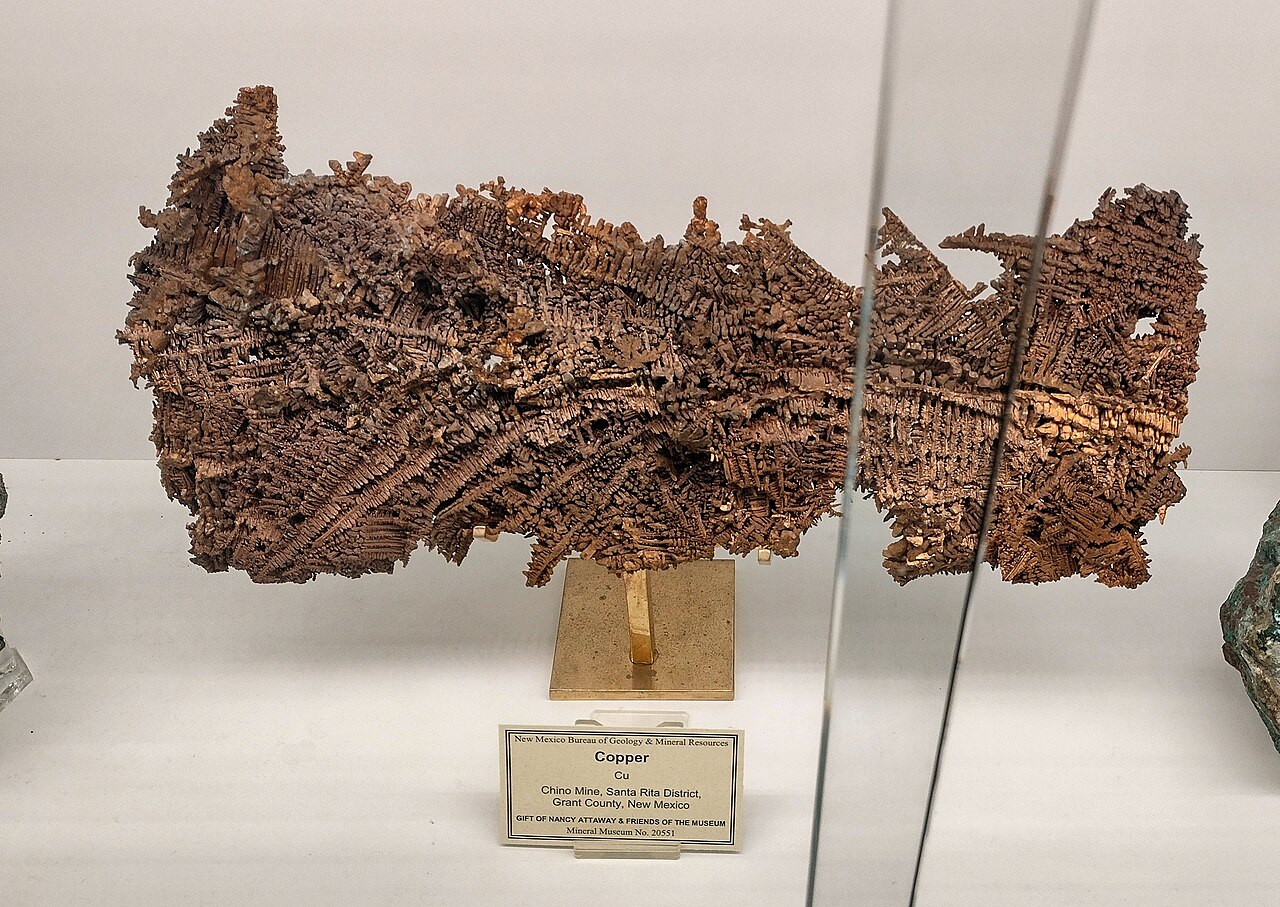
Treat Crystals as Fragile Treasures
Natural mineral specimens — amethyst cathedrals, tourmaline crystals on matrix, aquamarine points, fluorite cubes — are far more delicate than they appear. Crystal terminations chip easily, matrix can crumble, and many minerals are sensitive to light, heat, humidity, and even the oils on your skin. A little care preserves both their beauty and their value.
Handling
- Always lift a specimen by its solid matrix base, never by a delicate crystal point or termination.
- Handle one piece at a time, over a soft surface, away from table edges.
- Wear clean cotton gloves for highly lustrous or metallic specimens such as pyrite and hematite, where fingerprints can dull the surface.
Cleaning
Most hard, stable specimens such as quartz and amethyst can be gently rinsed in lukewarm water with a drop of mild soap and dried with a soft brush or air blower. However, many minerals must never touch water:
- Water-sensitive species such as halite, selenite, and many sulphates will dissolve or cloud. Dust these only with a soft, dry brush.
- Acid-sensitive species such as calcite and malachite should never be exposed to any acidic cleaner.
- Avoid ultrasonic cleaners entirely — vibrations can shatter included or cleaved crystals.
Light and Colour Stability
Some of the most beautiful minerals are also the most light-sensitive. Amethyst, rose quartz, fluorite, celestine and kunzite can fade with prolonged exposure to direct sunlight or harsh UV. Display these away from windows and use cool LED lighting, which emits little UV or heat.
Humidity and Temperature
Aim for a stable environment of moderate humidity (around 40–55%) and consistent room temperature. Rapid changes can cause thermal stress and cracking, while excess humidity may promote oxidation on iron-bearing specimens such as pyrite (the dreaded "pyrite disease").
Display and Storage
Use museum putty or a fitted stand to secure specimens against vibration and accidental knocks. Closed cabinets reduce dust and light exposure. Keep a simple record of each piece — species, locality, and any provenance — so the story of your collection is never lost. Cared for well, a mineral specimen formed over millions of years will outlast us all.
Share this article