A Tangible, Portable Asset
For centuries, fine gemstones have served as a compact, durable, and globally recognised store of value. A single exceptional stone can hold the worth of a substantial property in a form small enough to fit in a coin pocket. In an era of market volatility, investment-grade coloured gems have drawn growing interest as a tangible asset uncorrelated with equities.
What Drives Gemstone Value
Four factors — refined into many sub-criteria — determine value:
- Colour: The single most important factor. The market rewards pure, saturated, evenly distributed hue: Royal Blue sapphire, Pigeon's Blood ruby, vivid Muzo-green emerald.
- Clarity and transparency: Greater transparency and fewer eye-visible inclusions raise value — though for emerald, some inclusion is expected and accepted.
- Carat weight and rarity: Fine large stones are exponentially rarer than small ones, and price per carat rises sharply with size at the top of the quality scale.
- Origin and treatment: Prestigious origins (Kashmir, Burma, Colombia) and "no heat / untreated" status can multiply value many times over.
The Stones That Perform
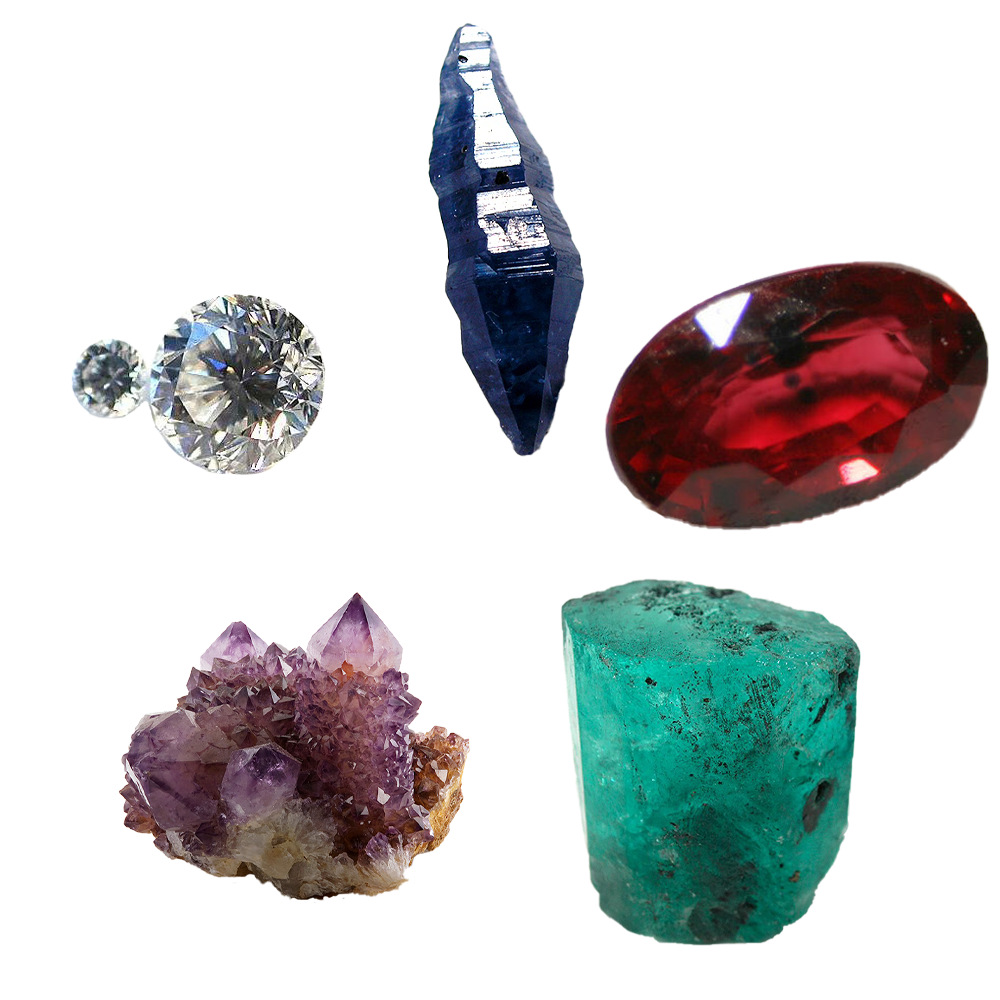
Investment attention concentrates on the "big three" coloured stones — ruby, sapphire, and emerald — particularly untreated, top-origin examples with respected laboratory reports. Beyond these, certain rarities such as Paraíba tourmaline, fine spinel, alexandrite, and Kashmir sapphire have shown remarkable long-term appreciation driven by genuine scarcity.
Buying with Clear Eyes
- Insist on certification from a top laboratory (GRS, SSEF, Gübelin, AGL) for any significant purchase, especially confirming origin and treatment.
- Buy quality over size. One exceptional stone outperforms several mediocre ones of the same total weight.
- Understand liquidity. Gemstones are a long-horizon, illiquid asset. Buy from reputable sources at fair margins and plan to hold.
- Provenance protects value. Keep certificates, receipts, and any history of ownership together with the stone.
Our Role at MineralsHub
We curate investment-grade stones with full certification and transparent disclosure, and we offer a buy-back and trade-up programme so your collection can evolve over time. A fine gem is not a get-rich-quick scheme — it is an heirloom that, chosen well, may quietly grow in worth as it is passed from one generation to the next.
Share this article